Finally holding the keys to your own home is nothing short of exciting, but you'll soon learn that the first full year of homeownership comes with lots of surprises. One of the biggest adjustments is realizing that seasonal home maintenance is now your responsibility—and winter is one season you don't want to be caught unprepared for.
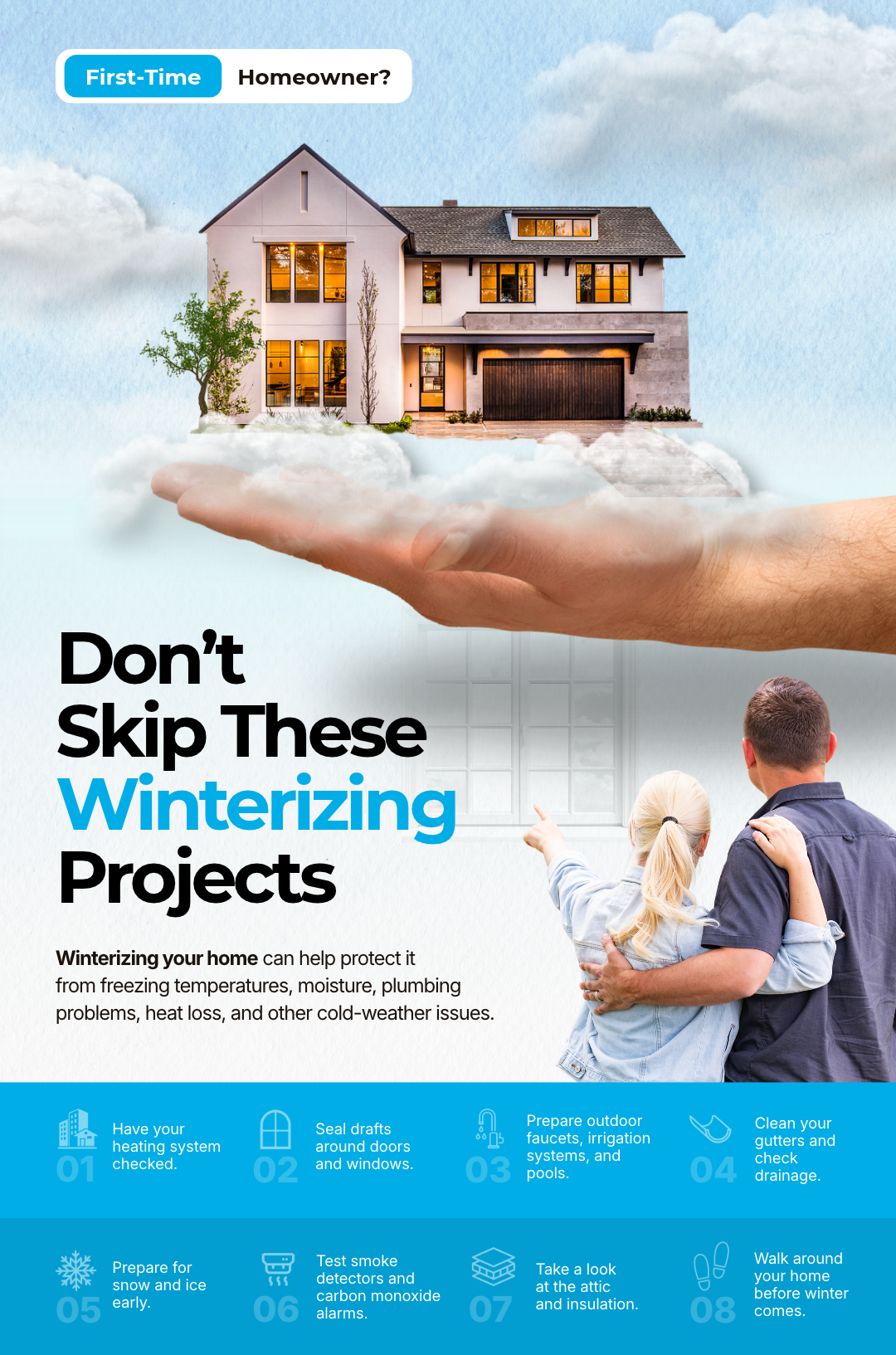
Winterizing your home can help protect it from freezing temperatures, moisture, plumbing problems, heat loss, and other cold-weather issues. More importantly, many winter home maintenance projects are relatively simple when they're handled before temperatures begin to drop.
But the work needed should match your property and climate. Say you're a Michigan homeowner preparing for snow; it’s normal for you to have different priorities from a homeowner managing winter rain in coastal California or humidity in South Florida. Especially if you’re a first-time homeowner preparing for your first winter, use this checklist as your guide to tackle the projects that matter where you live.
Why Now Is the Right Time
Fall gives you time to discover problems and arrange repairs before your home faces harsher conditions. ENERGY STAR recommends scheduling heating maintenance before winter, when contractors become busier.
For new homeowners, winterizing is also an opportunity to become more familiar with your property. You'll learn where the water shutoff is, how your heating system operates, where drafts appear, how water drains around the house, and which areas may eventually need improvement.
Let your local forecast set the deadline and complete freeze protection before temperatures continue to drop. If your area has already experienced freezing weather, make overdue tasks a priority during the next safe weather window. In mild climates, prepare before the next period of heavy rain or strong winds.
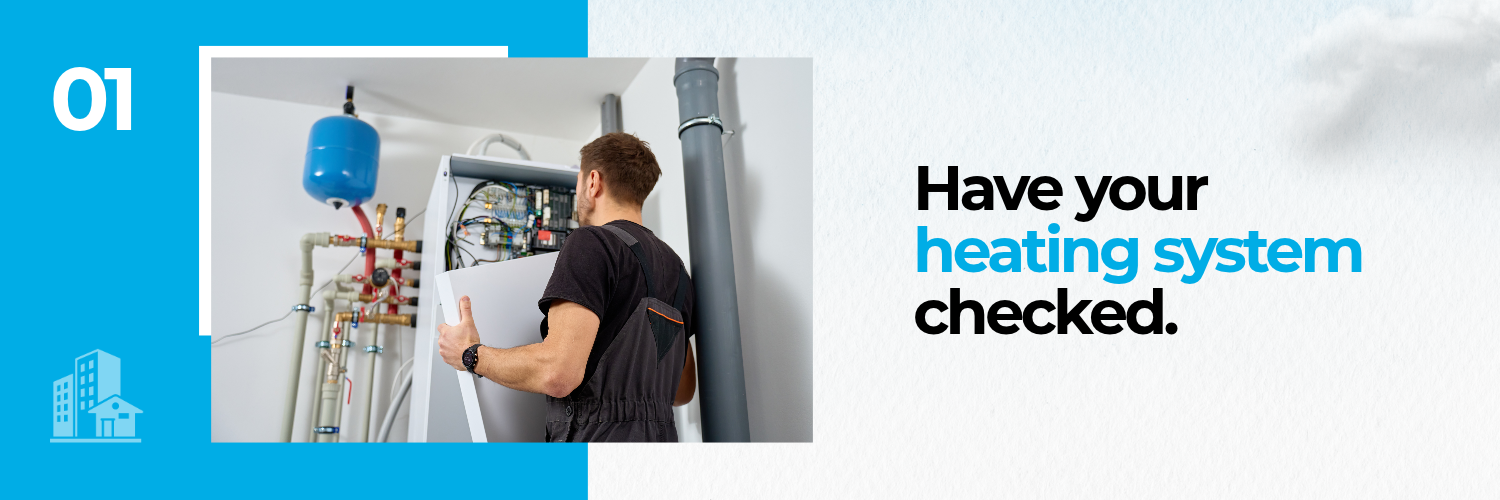
Schedule a professional inspection of your furnace, boiler, or heat pump before it must handle sustained cold. Tell the technician about uneven room temperatures, unusual noises, or frequent cycling. Check HVAC air filters and clean or replace them according to the equipment instructions. Keep supply and return vents unobstructed.
If you plan to use a fireplace or wood stove, have the chimney or flue inspected. A rarely used fireplace still needs attention before becoming your backup heat source during an outage.
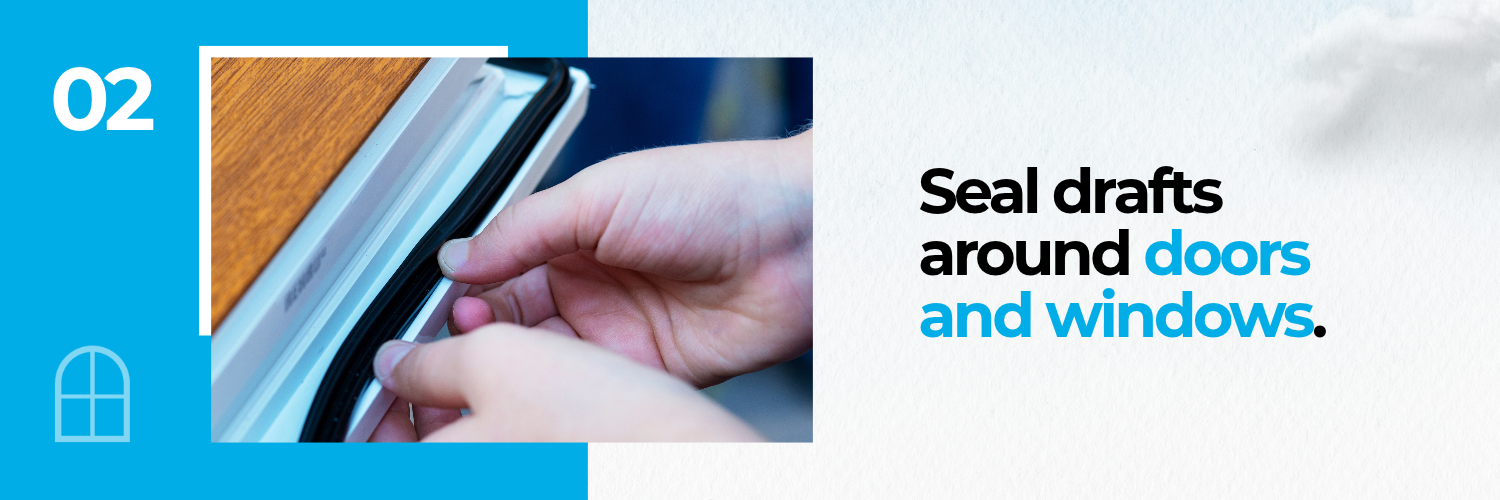
If your heating system seems to run constantly but certain rooms still feel cold, the problem may not necessarily be the HVAC equipment. Check for worn door seals, visible gaps, and drafts around window frames. Use weatherstripping around moving parts and appropriate caulk around stationary gaps. These repairs help keep heated air inside and improve comfort.
Pay particular attention to older windows, exterior door frames, attic access points, and areas where utilities enter the house. You don't necessarily need to replace every older window just because you notice a draft. Sometimes the problem is much smaller—and much less expensive to correct.
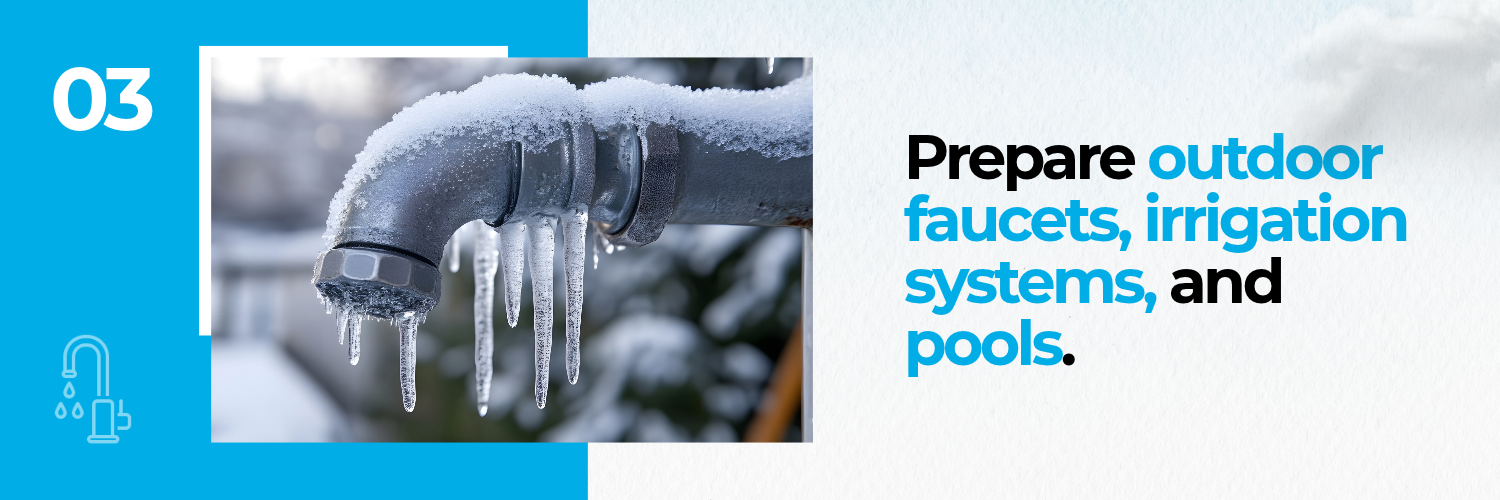
Exterior plumbing also deserves special attention before freezing weather. Disconnect garden hoses and store them for the season. Depending on the type of plumbing installed in your home and your local climate, you may also need to drain outdoor lines, shut off exterior water supplies, protect vulnerable faucets, or have an irrigation system professionally winterized.
Water expands when it freezes, which means water trapped in vulnerable pipes or equipment can cause damage. This is also a good time for you to locate the home's main water shutoff valve. You don't want to wait until there's a plumbing emergency to figure out where it is.
Meanwhile, pool care depends on climate and equipment. A pool in a cold region may need professional winterization, while one that stays open in Florida still needs cleaning, circulation, and water chemistry checks. Ask your pool professional for a freeze and power outage plan that’s appropriate for your area.
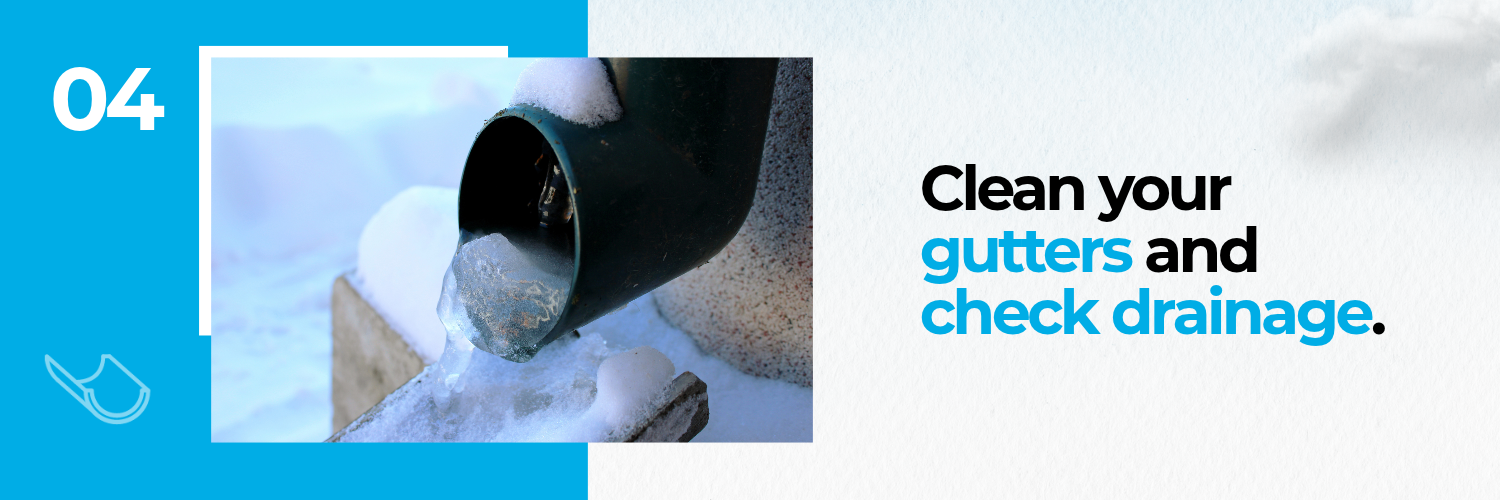
Fall leaves can quickly clog gutters and downspouts. Once most of the leaves around your property have fallen, inspect and clean your gutters so rainwater and melting snow have a clear path away from the roof. While you're there, look for sagging or damaged gutter sections and make sure downspouts are directing water appropriately away from the home's foundation.
If you own a coastal California home, clearing a blocked patio drain before heavy rain should be a priority. In the Pacific Northwest, investigating persistent ceiling stains before the next extended rainy spell is critical. For your safety and to make sure the job gets done properly, consider hiring a qualified professional for any roof work or elevated gutter cleaning you cannot safely reach.
In snowy regions, recurring ice dams deserve an attic assessment. Heat escaping from the home can melt roof snow, which refreezes near colder edges and traps water. Address air leaks and inadequate insulation, as gutter cleaning alone will not correct that heat loss.
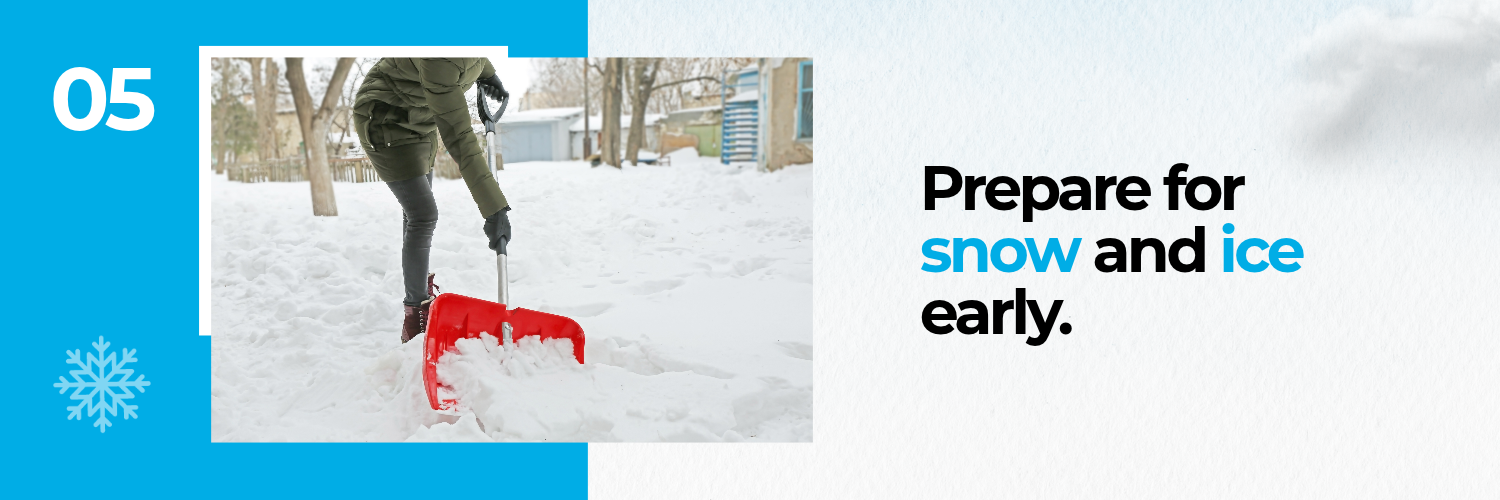
If snow and freezing temperatures are common in your area, purchase your winter supplies before the first major storm appears in the forecast. Depending on your property, that could mean having a snow shovel, ice scraper, appropriate ice-melting product, and working snow-removal equipment ready.
Pay particular attention to steps, sidewalks, porches, driveways, and frequently used walkways. Your responsibilities may also extend beyond your driveway. Some communities and municipalities have requirements regarding snow or ice removal from sidewalks, so as a new homeowner, this is also the best time to familiarize yourself with applicable local rules.
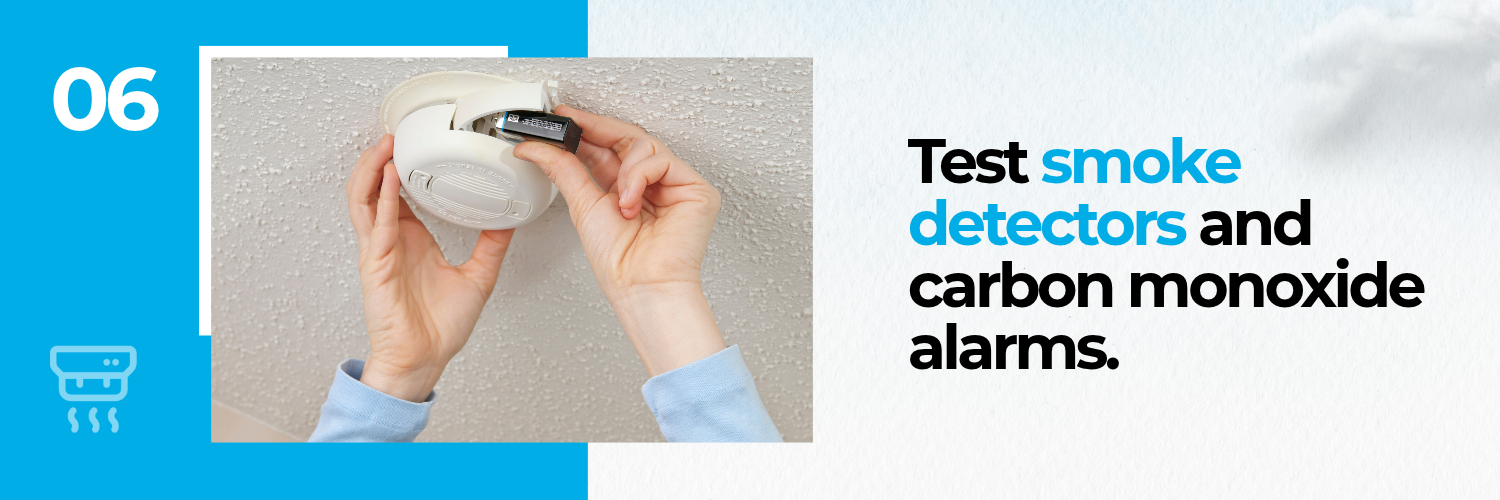
Winter usually means spending more time indoors with doors and windows closed while heating equipment and fireplaces may be used more frequently. This is why you should make testing your smoke and carbon monoxide alarms part of your winter home maintenance routine. Replace batteries or alarms when required by the manufacturer, and make sure alarms are installed where required by applicable local codes. If you've recently purchased the house, don't simply assume the previous homeowner maintained every device properly.
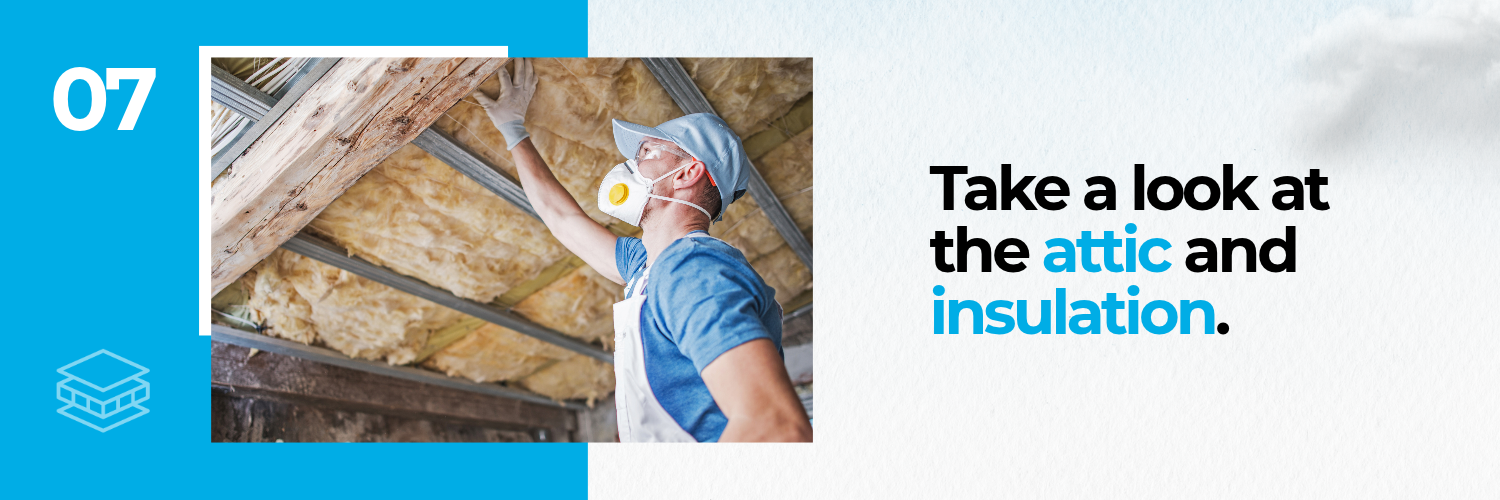
Your attic plays an important role in how your home performs during cold weather. Inadequate insulation and uncontrolled air leakage can contribute to uncomfortable rooms and increased heating demand. In snowy climates, attic and roof conditions can also affect how snow melts and refreezes on the roof.
If you're unsure about the condition of your insulation, consider having the attic evaluated. Rather than automatically adding more insulation, it's worth understanding whether the home has air-sealing, ventilation, moisture, or insulation issues that need to be addressed together.
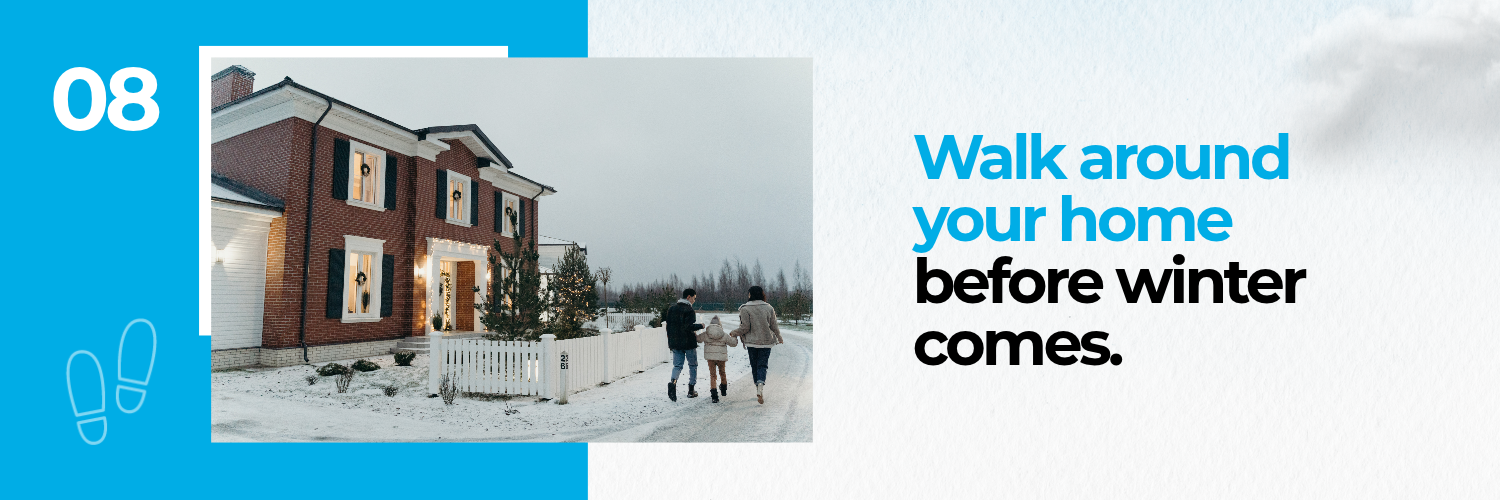
One of the simplest home maintenance habits is also one of the most useful as the colder weather comes: periodically walk around your property and actually inspect every part of it. Before winter, don't forget to check for loose or damaged siding, deteriorating exterior caulk, tree limbs hanging near the house, damaged railings or steps, standing water near the foundation, drainage problems, and any other noticeable damage on your home’s exterior features.
Think about how each area will perform during several days of rain, snow, wind, or freezing temperatures. As a first-time homeowner, no one expects you to become a construction expert overnight. What’s important is to learn to notice when something has changed around your property, and then act on it accordingly.
Know Which Winter Projects to Address First
Your first winter home maintenance checklist can get long quickly, particularly if you've purchased an older property. But remember that you don't have to do everything at once. Start with issues that could affect safety or potentially cause significant property damage. Active roof leaks, unsafe heating equipment, vulnerable plumbing, serious electrical concerns, and major drainage problems should generally receive attention before cosmetic or convenience projects.
For example, replacing weatherstripping around a drafty door might make the house more comfortable. Or, addressing a pipe that's likely to freeze could prevent a much larger repair bill. At the end of the day, knowing which projects to prioritize is part of responsible homeownership.
Your First Winter Is A Good Chance to Learn About Your Home
There's something even a recent home inspection couldn't fully show you: how the property behaves through every season. Your first winter may reveal that one bedroom is harder to heat, a certain section of the driveway freezes first, water collects in an unexpected location, or a particular window becomes noticeably drafty when temperatures fall.
Keep this checklist handy and document your observations about your home, as they can help you create a more personalized maintenance plan and decide which improvements are worth making.